Dating After Loss
Lisa Galos
Head Matchmaker
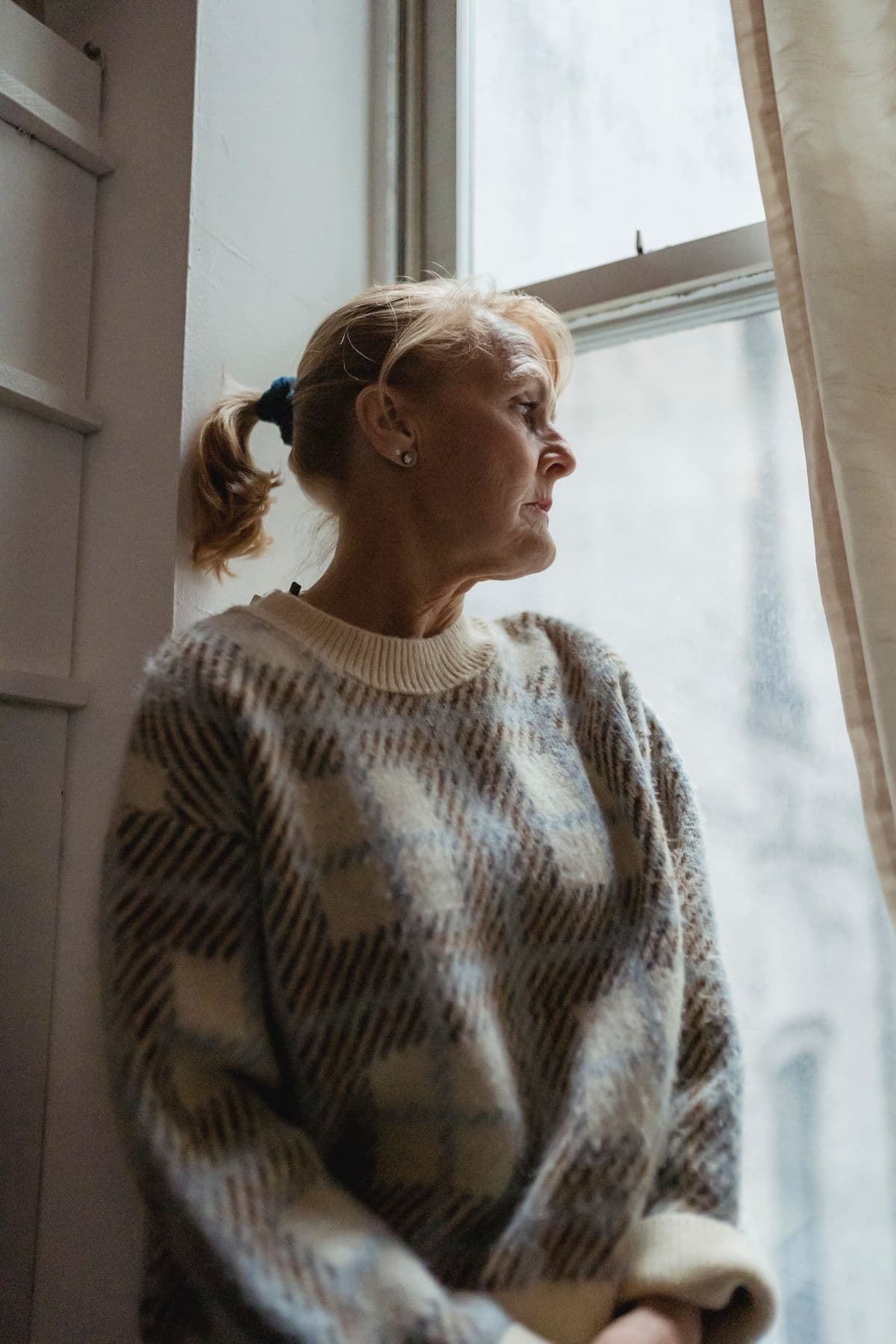
If you've lost a spouse, the idea of dating again can feel like a lot — hopeful one day, disloyal the next, overwhelming the day after that. All of those feelings are normal. There's no right way to grieve, and there's no schedule for when, or whether, you look for companionship again.
I'm Lisa. I've spent more than 40 years as a matchmaker, and I've helped many widows and widowers find warmth and connection again, in their own time. This is a gentle guide — no pressure, no clichés — for anyone wondering what dating after loss really looks like.
Key Takeaways
- There's no correct timeline. Repartnering after loss usually unfolds gradually, often over years (Journals of Gerontology, 2014).
- You're far from alone: among adults 75 and older, 54% of women and 20% of men are widowed (U.S. Census Bureau).
- Loneliness is common and rising — 40% of adults 45+ now report it (AARP, 2025).
- Wanting companionship again is not a betrayal of the person you lost. Both can be true at once.
- A discreet, patient matchmaker can take the pressure off — no apps, no crowds, just careful introductions.
There's no timeline for grief — or for love
The most important thing I tell every widow and widower is this: you cannot be late. Research on repartnering after loss finds it happens slowly, if at all — about 7% of widows and 29% of widowers have formed a new union ten years on, and most who do repartner do so within that window (Journals of Gerontology, 2014).
Those numbers aren't a verdict on you. They reflect life expectancy and old social habits, not readiness. Some people want companionship within a year; others never do, and are content. Both are perfectly right. The only timeline that matters is your own.
You're not alone in this
Loss in later life is far more common than it feels when you're inside it. Among Americans 75 and older, 54% of women and 20% of men are currently widowed (U.S. Census Bureau). If you're facing this, you're in the company of millions of thoughtful, accomplished people.
Loneliness is part of it, too, and it's nothing to be ashamed of. AARP found that 40% of adults 45 and older now report feeling lonely, up from 35% a decade ago (AARP, 2025). Wanting to feel connected again is one of the most human things there is.
How do you know if you're ready?
There's no test, but there are gentle signs. You might feel curious about companionship rather than pressured into it. You can think of your late spouse with love and still picture sharing a meal with someone new. You want connection for its own sake — not to fill a silence or please your family.
Just as telling are the signs you're not ready yet, and that's fine too. If the thought brings mostly dread or guilt, there's no harm in waiting. Readiness tends to arrive quietly, on an ordinary day. You don't have to force it.
What feels different about dating after loss
Dating later in life, after a long marriage, isn't like dating in your twenties — and that's a good thing. You know yourself. You know what a real partnership feels like. What trips people up is usually the emotional part, not the logistics.
A few things I gently prepare my clients for: you may compare, at first, and that fades. Adult children can have big feelings, and honesty helps. And you're not looking to replace anyone — you're looking for companionship that stands on its own. Naming these things early takes away most of their sting.

Do people my age really date again?
Yes — quietly and successfully, all the time. About one in six adults 50 and older (17%) have tried a dating site or app, and among those in relationships, 6% met their partner that way (Pew Research, 2023). Plenty more meet through friends, community, or a matchmaker.
If the apps don't appeal to you, you're in good company — most people your age don't love them either. There are calmer, more private ways to meet someone, which is exactly where a matchmaker comes in. You might also find our guide to finding love after 60 reassuring.

How a matchmaker helps — gently
For a widow or widower, the hardest part isn't wanting connection; it's the exposure of looking for it. That's the part I take off your plate. A matchmaker handles the searching, the vetting, and the introductions privately, so you never have to post a profile or sit in a crowded bar.
We go slowly, at your pace. We meet you, learn who you are, and only introduce you to someone thoughtful when you feel ready — no pressure, complete discretion. If and when you'd like to talk it through, you can reach out quietly here or read how our process works. There's no obligation, and no rush at all.
Frequently asked questions
How long should I wait to date after losing my spouse?
There's no correct answer — only your own. Research shows repartnering usually happens gradually over years, and many people are content never dating again (Journals of Gerontology, 2014). Wait until curiosity, not guilt or pressure, leads the way.
Is it disloyal to date again after my spouse dies?
No. Loving the person you lost and wanting companionship again can both be true at once. Seeking connection doesn't erase your marriage or your grief — it honors your capacity to love, which loss never takes away.
Do widows and widowers really find love later in life?
Yes, quietly and often. Among partnered adults 50 and older, 6% met their significant other through online dating alone, and many more meet through friends or a matchmaker (Pew Research, 2023). Later-life companionship is common and real.
How can I date again without using dating apps?
A matchmaker is the private alternative. Instead of profiles and swiping, a matchmaker meets you, vets candidates, and arranges introductions discreetly at your pace — ideal for widows and widowers who value privacy and a gentle, no-pressure approach.